AI TVC vs. AI film vs. AI UGC: how to pick the right format
AI TVC is the right call when the brand needs to be the visible hero and production value itself signals trust; AI film works when the brand can afford to be a supporting character in a mood or story; AI UGC works when the goal is to disappear into a feed and earn trust through plausibility rather than polish.

AI TVC, AI film, and AI UGC get lumped together as 'AI video' because they share a production method, but they're not interchangeable creative choices — they're three different bets on how attention actually gets earned. Picking the wrong one for the objective is a more common mistake than any technical failure in the generation itself.
The format is the argument. Choose it before you choose the shot.
AI TVC: when the brand is the hero
AI TVC works when the audience already expects to be sold to and the brand needs to be the visible subject — broadcast-grade polish, deliberate pacing, a look that says 'this cost something.' It's the right call for launches, for categories where trust is the barrier to purchase, and for anywhere the production value itself is part of the message, not just the delivery mechanism.
The tradeoff is that TVC asks the most of the audience's patience for the least emotional payoff if it isn't executed well — it's the format most likely to be scrolled past if the first two seconds don't earn attention on their own.
AI film: when the brand can wait
AI film earns something TVC can't: a few extra seconds of patience from the viewer. It works when the brand can afford to be a supporting character in a story instead of the subject of a pitch — a mood, a world, a feeling the product sits inside rather than announces. It's slower to land and it asks more of the viewer, so it only pays off when there's something genuinely worth being patient for.
Film-format AI video is generally the wrong choice for a hard performance objective (immediate conversion) and the right choice for brand-building objectives where the goal is being remembered, not being clicked on immediately.
AI UGC: when the brand needs to disappear
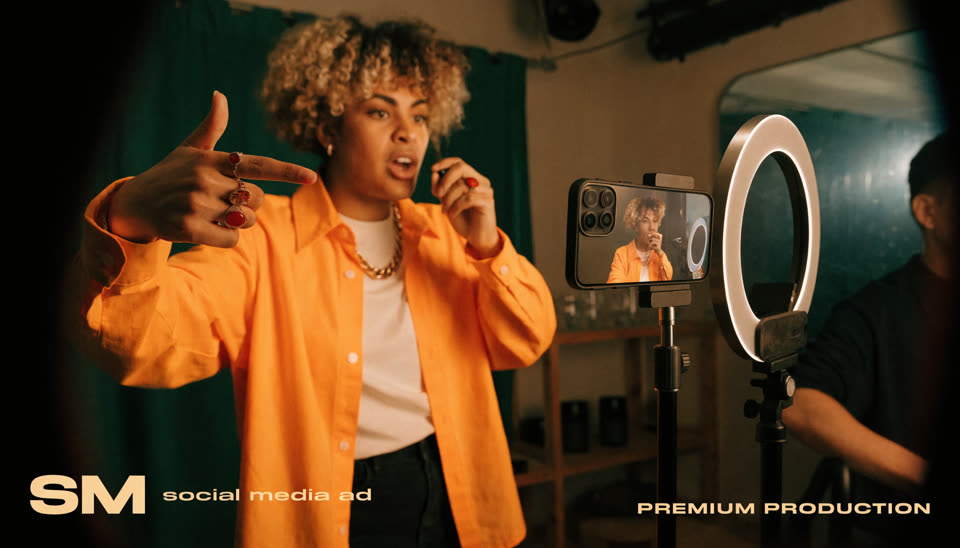
AI UGC trades polish for plausibility. It's built to disappear into a feed, to look like it wasn't made by a brand at all — which is exactly the point when the goal is trust at scale rather than spectacle. It's also the format that tests fastest and cheapest, which makes it the best first move in a batch when you genuinely don't know what's going to land.
The risk with UGC-format AI video is authenticity failure: if it reads as an ad trying to look like it isn't an ad, it can do more damage to trust than an openly polished TVC would have. This is the format that most rewards a tight, honest brief over an impressive one.
What's the main difference between AI TVC and AI UGC?+
AI TVC is built to look like a professionally produced commercial — broadcast polish, deliberate pacing, the brand visibly front and center. AI UGC is built to look like it wasn't made by a brand at all, trading production polish for the plausibility of a real person's post in a feed.
Which AI video format performs best for direct-response advertising?+
AI UGC and short TVC-style hooks tend to perform best for direct response, since both are optimized to earn attention and a click within the first few seconds. AI film generally serves brand and awareness objectives better than immediate conversion.
Do I have to choose only one format for a campaign?+
No — most briefs we scope actually run two or three formats in parallel within the same variant batch, letting audience data decide which format performs rather than committing to one format in the creative brief itself.
Ready to find what wins?
Tell us what you're shipping — we'll scope the first batch.