NOTES ONAI PRODUCTION.
How we brief, generate, test and scale — written down so you can steal it.

What is AI video generation? A practical guide for brands
AI video generation creates footage from a text prompt or reference image instead of a camera and crew. Here's what it actually replaces, what it doesn't, and how brands are using it in 2026.
Read the piece ↗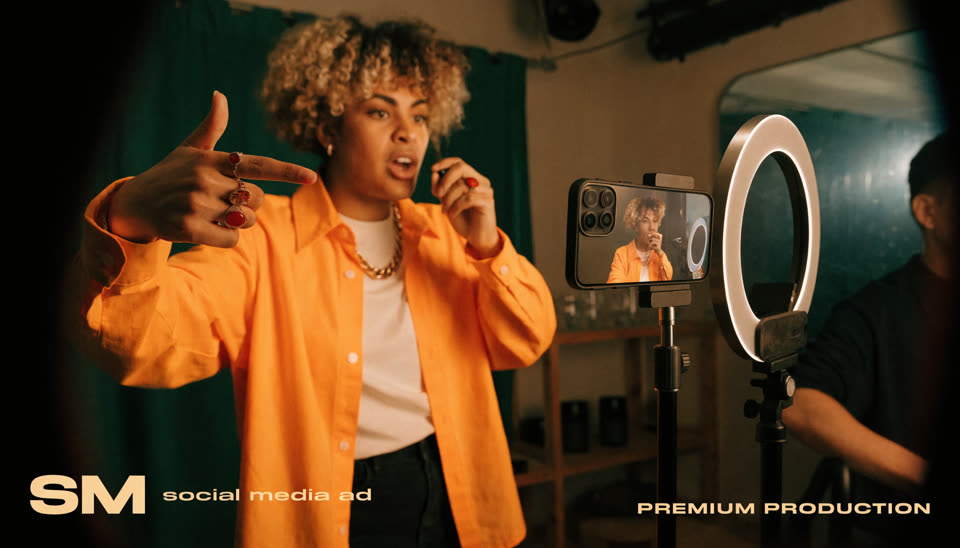
Why most AI ads still look like AI ads
The tell isn't the faces or the motion. It's that every shot is trying to prove it's impressive instead of trying to sell something — and there's a specific production fix for it.

How does AI ad testing work? The variant funnel, explained
We don't pitch a concept and hope. We generate a real batch, let audience data eliminate the weak ones, and put the entire budget behind whatever survives.

AI TVC vs. AI film vs. AI UGC: how to pick the right format
The three formats aren't tiers of quality. They're three different bets on how attention actually gets earned — and most briefs need more than one running at once.

Should you test creative before spending the media budget?
Most teams optimize media spend after the creative is locked. The bigger lever is upstream — testing which cut deserves the budget in the first place, before a dollar is committed.

How much does an AI-generated TVC cost vs. traditional production?
A traditional TVC shoot is priced around a single concept and a single shoot day. AI production is priced around a batch — which changes the real comparison more than the per-clip number does.

Is AI UGC as effective as real creator UGC?
AI UGC can match real creator content on authenticity signals when it's briefed well — but the two aren't interchangeable, and each has a use case the other doesn't cover.

How long does it take to produce an AI TVC or film?
A single AI-generated cut can be ready in hours. A tested, scoped, brand-ready batch takes days — and that timeline is the actual number that matters for planning a launch.

What makes an AI-generated video ad go viral?
Virality isn't a production quality — it's a testing outcome. The ads that go viral are usually the ones that survived a real batch, not the ones that were designed to be viral from the start.

What a week-one brief actually needs to say
The briefs that produce the strongest batches are shorter than people expect — and specific about exactly three things, leaving everything else for the batch itself to test.