What is AI video generation? A practical guide for brands
AI video generation is the use of generative models to produce moving footage from a text prompt, image, or reference clip — replacing the camera, crew, and location, but not the direction.
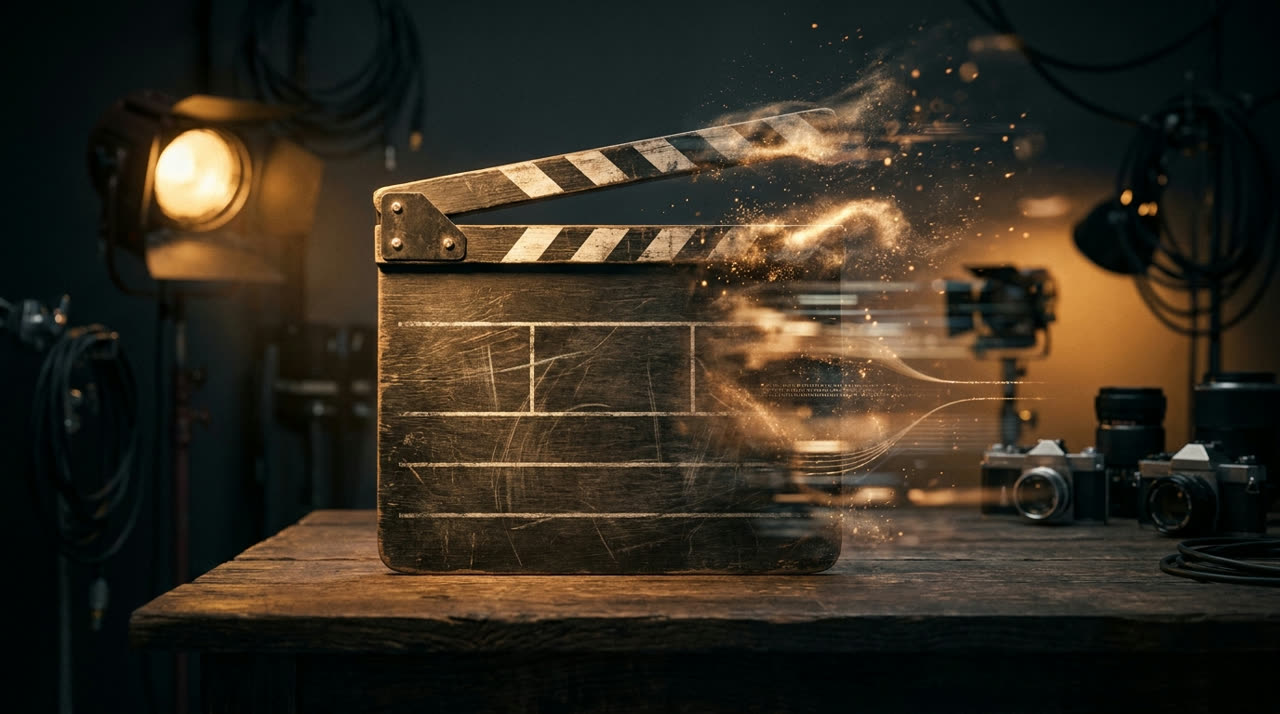
AI video generation is the process of producing moving footage — a shot, a scene, a full spot — from a text prompt, a reference image, or an existing clip, using a generative model instead of a camera, a crew, and a location. In practical terms: you describe or reference what you want, and the model renders footage that didn't exist a minute earlier.
The category has moved fast. Early text-to-video was a novelty — a few seconds of dreamlike, physically inconsistent motion. The models brands actually use for production today generate coherent, controllable, broadcast-resolution footage with consistent subjects across shots, camera moves that respect a scene's geometry, and enough fidelity to sit next to traditionally shot footage in the same cut.
The model replaces the camera. It doesn't replace the director.
How AI video generation actually works
Most production-grade AI video models today work off one of two starting points: a text prompt describing the shot, or a reference image/video that anchors the subject, style, or camera move. The model has been trained on enormous volumes of real footage, so it has learned an internal sense of how light behaves, how fabric moves, how a camera racking focus looks — and it applies that learned sense to generate new frames that didn't come from a physical set.
This is why prompting for AI video is closer to directing than to typing a search query. A prompt that just names a subject ('a woman drinking coffee') gives the model too much freedom and it fills the gaps with its own defaults — generic lighting, a generic room, a generic take. A prompt that specifies the lens, the light source, the framing, and what's deliberately out of frame gives the model a much narrower, much more directed space to generate into. The craft is in the constraint, not the description.
Most workflows also layer in reference material: a still photo to lock a product's exact shape and label, a short reference clip to transfer a specific camera move or performance style, or a start/end frame pair to control exactly how a shot begins and lands. The prompt sets the intent; the references keep the model honest to the brief.
What it replaces — and what it doesn't
AI video generation replaces the physical production layer: the camera, the crew, the location scout, the shoot day, the reshoot if the light changed. It does not replace the creative layer — the idea, the brief, the edit, the judgment about what's actually worth putting in front of an audience. A generated clip with no direction behind it looks exactly like what it is: an impressive demo with nothing to say.
It's also not yet a replacement for every kind of shot. Extremely long, continuous, physically complex sequences and precise, repeatable brand choreography (a specific dance move, a signature product interaction) are still often faster or more reliable to shoot practically, sometimes as a hybrid — a real plate with AI-extended or AI-enhanced elements around it. The honest framing is that AI video is a new production method, not a strictly superior one; it wins on speed, iteration volume, and cost per variant, and a traditional shoot still wins on certain kinds of precision.
Where brands are actually using it
In 2026, the highest-leverage use case isn't 'make one ad cheaper.' It's making many ads possible at all — generating a real batch of creative variants off a single brief, in different formats and hooks, and testing them against real audiences before committing media spend to any one of them. That volume was never economically possible with a traditional shoot day, where one concept was usually the entire budget.
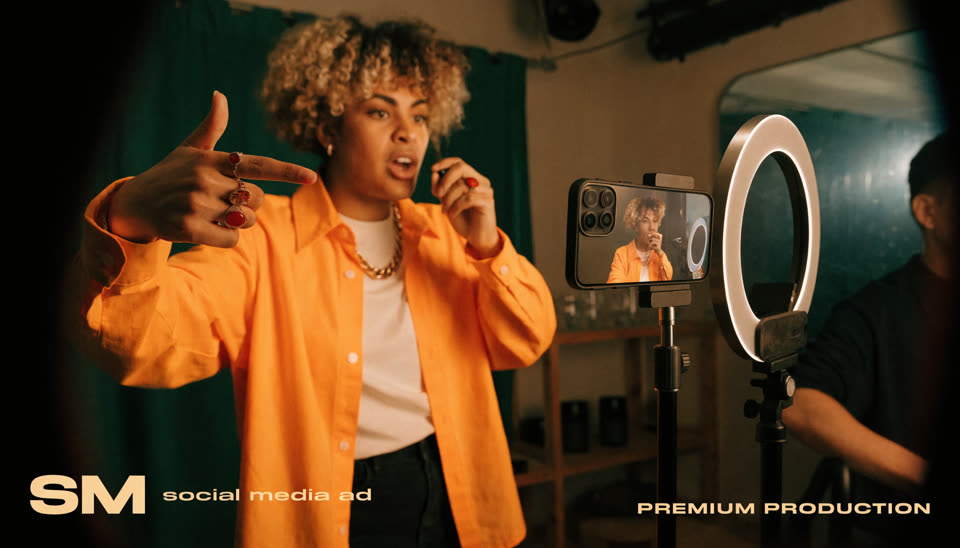
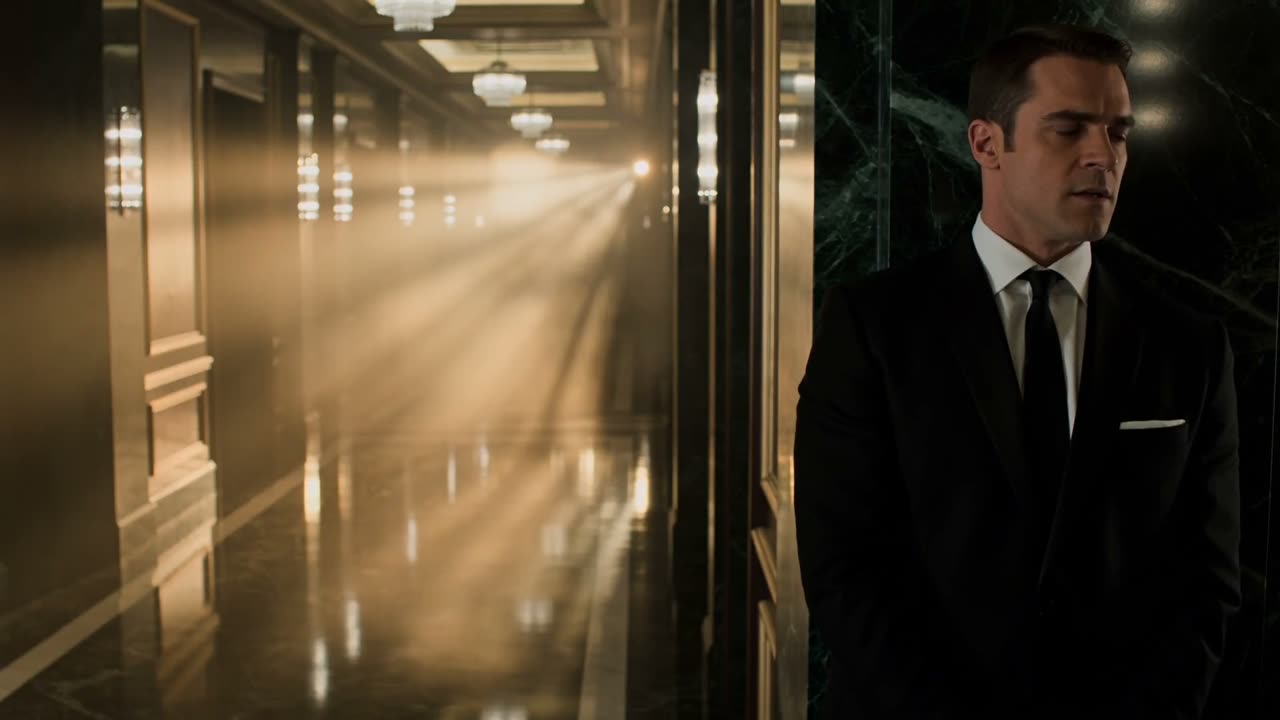
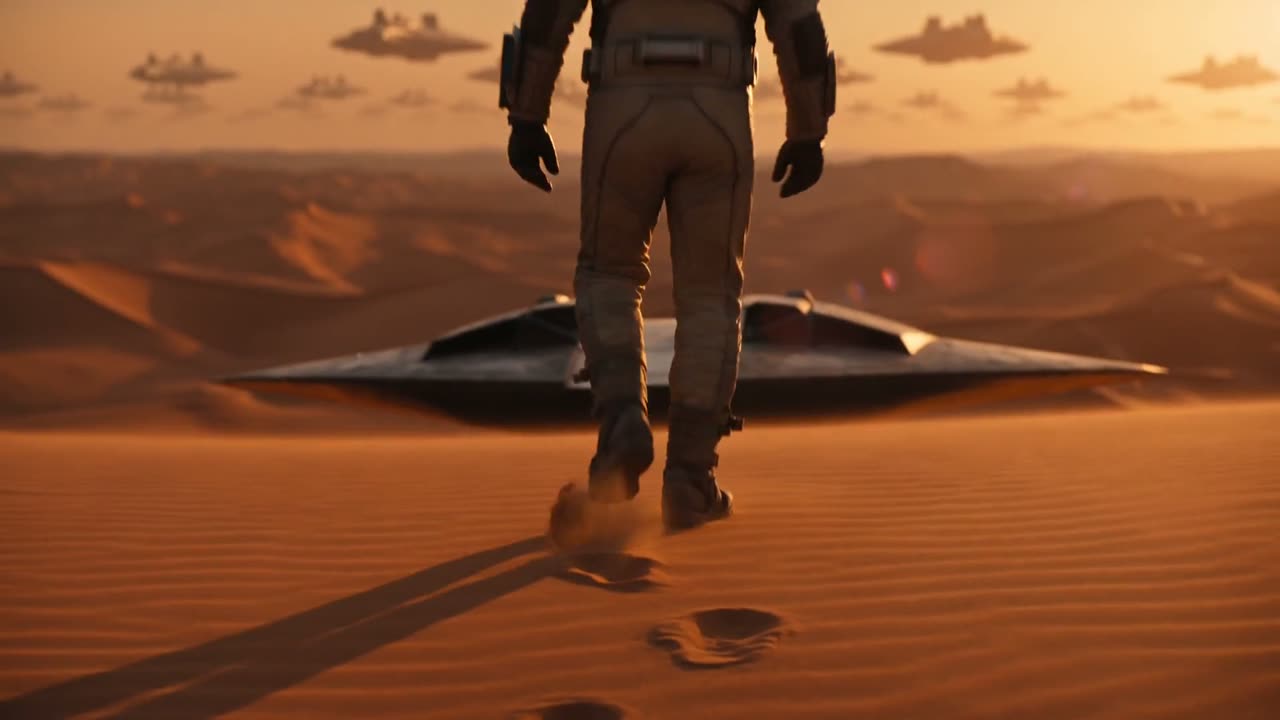
Beyond variant testing, brands are using AI video for TVC-style hero spots that need broadcast polish but a fast turnaround, film-style brand pieces that trade a product pitch for mood and story, and UGC-style social content that's built to blend into a feed rather than announce itself as an ad. Format follows objective — which is the whole subject of the next question people usually ask.
Is AI-generated video the same as deepfake technology?+
No. Deepfakes specifically swap a real person's likeness into footage without consent, usually to deceive. AI video generation for advertising creates original scenes, products, and performers from a brief — nothing is impersonated, and legitimate production always discloses AI use where it's material to the audience.
Can AI video generation match the quality of a traditional TVC shoot?+
For most commercial formats, yes — current models produce broadcast-resolution footage with consistent lighting, camera movement, and subject continuity. The gap that remains is in extremely long continuous takes and highly specific practical effects, where a hybrid of real plates and AI enhancement is often the better call.
Do I need to know how to write AI prompts to use this for my brand?+
No — that's the production team's job, the same way you wouldn't be expected to operate a camera on a traditional shoot. What you need is a clear brief: what you're selling, who has to believe it, and what's non-negotiable. The team turns that into the prompts, references, and shot list.
Ready to find what wins?
Tell us what you're shipping — we'll scope the first batch.