Why most AI ads still look like AI ads
AI ads look artificial because they're generated without the constraints of a real production — a fixed lens, a real light source, a directed take — not because the underlying model isn't capable of believable footage.
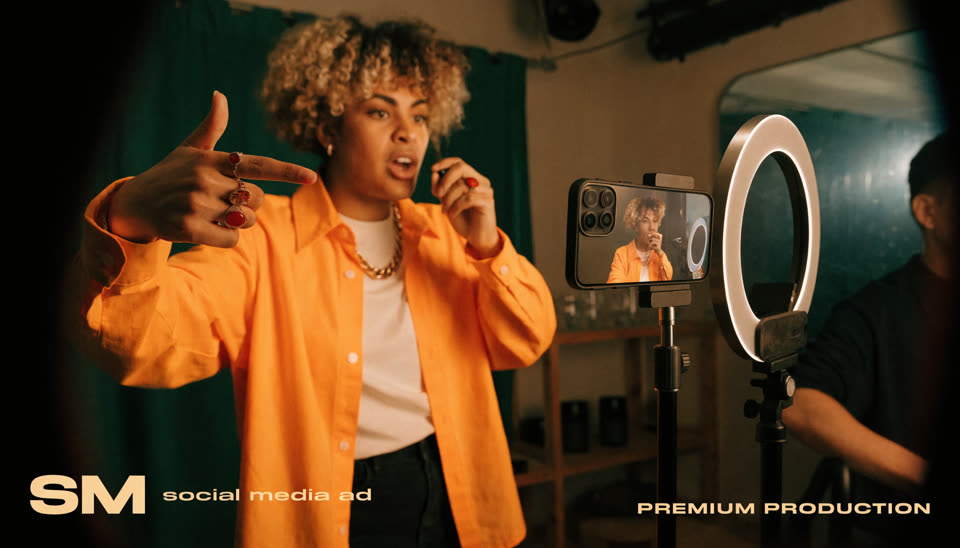
Most AI-generated ads share the same fingerprint: hyperreal lighting with nowhere to land, camera moves that exist to show off the camera move, and a subject that's technically flawless but says nothing. None of that is a technology problem. It's a production problem wearing a technology costume.
Traditional production earns believability through constraint — a real lens, a real room, a real budget for one take instead of a hundred. AI production has the opposite failure mode: infinite takes with no constraint at all, so the model optimizes for 'impressive' instead of 'true.' The fix isn't a better model. It's treating every generation like a shot list, not a slot machine.
If a viewer can name the tool you used, the ad already failed.
The three tells of an obviously-AI ad
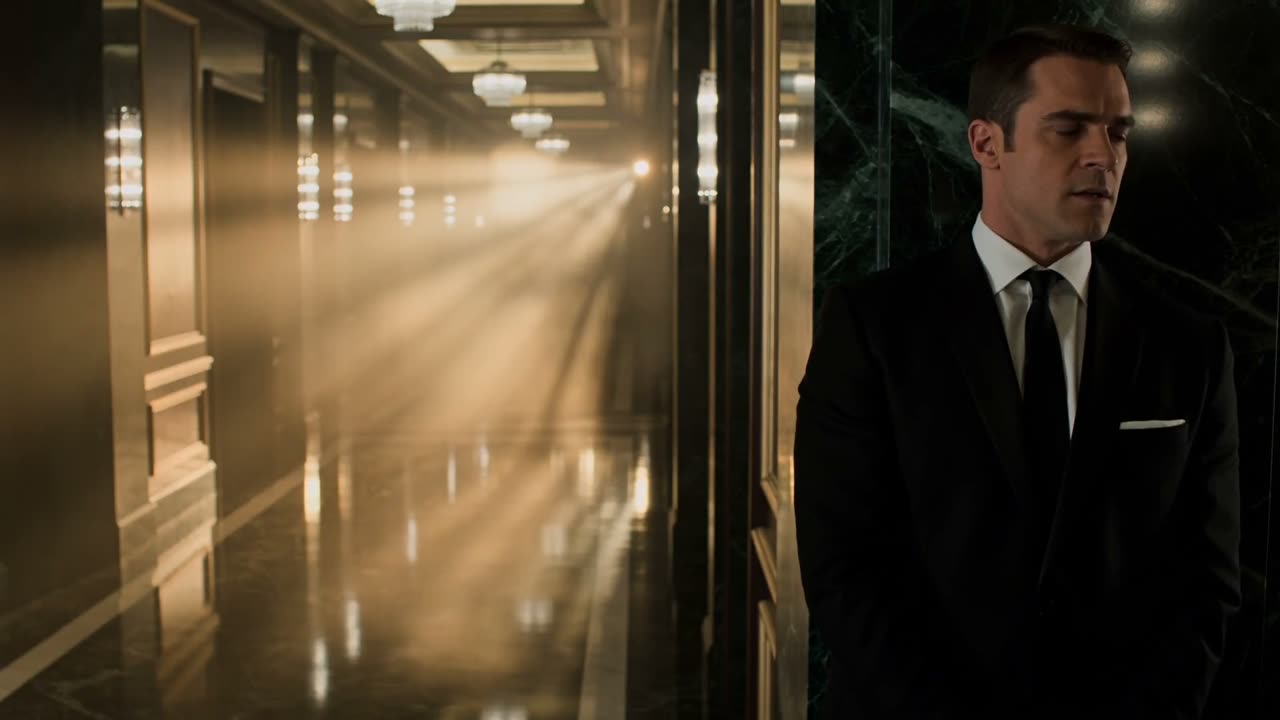
The first tell is lighting with no source. Real light comes from somewhere — a window, a practical lamp, a sunset — and it falls off, casts shadow, and interacts with the room. Unconstrained generation tends to produce an even, flattering glow from nowhere in particular, which reads as synthetic even to viewers who couldn't articulate why.
The second is camera movement with no motivation. A push-in should mean something — a reveal, a beat of tension. When a camera drifts or orbits just because the model can render it, the motion becomes decoration, and decoration is one of the fastest ways an audience clocks that nothing was actually being directed.
The third is a subject with no imperfection. Real footage has micro-flaws — a stray hair, an asymmetric smile, a slightly off focus pull — that read as authenticity precisely because they weren't designed. Default generations tend toward symmetric, flawless output, which is exactly the plastic quality most people mean when they say something 'looks AI.'
The production fix: write the brief like a director, not a prompt
In practice this means naming the lens, the light source, and — just as important — the thing the camera is deliberately not showing, before a single frame gets generated. A brief that says 'a 35mm lens, hard afternoon light through a half-closed blind, camera locked off' gives the model almost no room to default into generic. A brief that just says 'a modern kitchen' gives it every room in the world to choose from, and it will choose the most average one.
It also means grading every variant in a batch to one consistent look instead of letting each generation invent its own palette, so the batch reads as one campaign shot by one team rather than a pile of disconnected demos. And it means being willing to kill the most technically impressive cut in a batch if it reads as a showreel moment instead of an ad — the goal was never to prove the tool works, it was to sell something.
Why do AI-generated videos look fake even when the resolution is high?+
High resolution isn't the issue — the tell is usually unmotivated lighting, decorative camera movement, and a subject that's too symmetric and flawless to read as real. Those are directing problems, and they're fixed with a more constrained brief, not a bigger model.
Can AI-generated ads pass as real footage to most viewers?+
Yes, when they're briefed and graded like a real production — with a motivated light source, a purposeful camera move, and consistent color grading across every shot in the batch. The failure mode is almost always a lack of creative constraint, not a limitation of the underlying model.
Ready to find what wins?
Tell us what you're shipping — we'll scope the first batch.